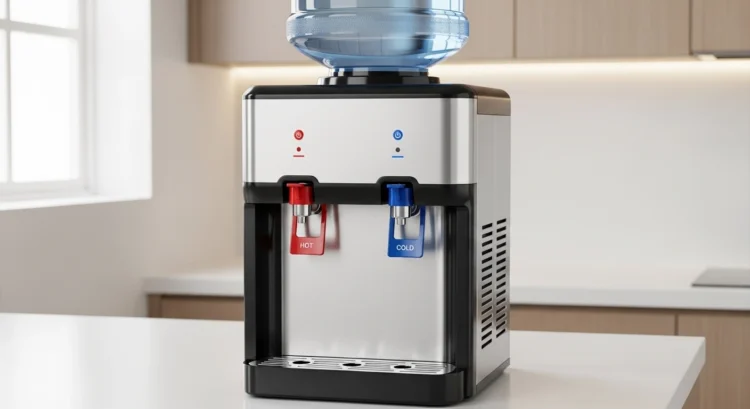

Discover the best top load water dispenser hot and cold for home use. We reviewed five models with high ratings to match your needs for convenient hydration.
Our Top 5 Picks



How To Pick The Best Top Load Water Dispenser Hot And Cold
Picking the right top load water dispenser hot and cold for home comes down to a few practical factors that are easy to overlook when browsing product listings. Getting these right upfront saves you from returning a machine that just doesn’t fit your routine.
- Start with your space. Measure where you plan to put the dispenser before anything else. Freestanding models typically run close to 37–41 inches tall and need clearance above for the bottle. If counter space is what you’re working with, a compact countertop unit is worth prioritizing over a full-size floor model.
- Think about how many temperatures you actually need. A standard hot-and-cold setup works for most households. But if your daily routine involves making baby formula, herbal tea at a specific temperature, or room-temp water for medication, a tri-temp dispenser adds real convenience without much extra cost.
- Check the safety features if you have kids. A child safety lock on the hot spout is a necessity in family homes. Look for models that require a two-step action to dispense hot water rather than a simple flip cover, which small hands can easily defeat.
- Factor in energy use. Dispensers that keep water hot 24/7 draw consistent power. Models with separate on/off switches for hot and cold modes let you cut energy when not in use. Energy Star approved units are worth the slight price premium over time.
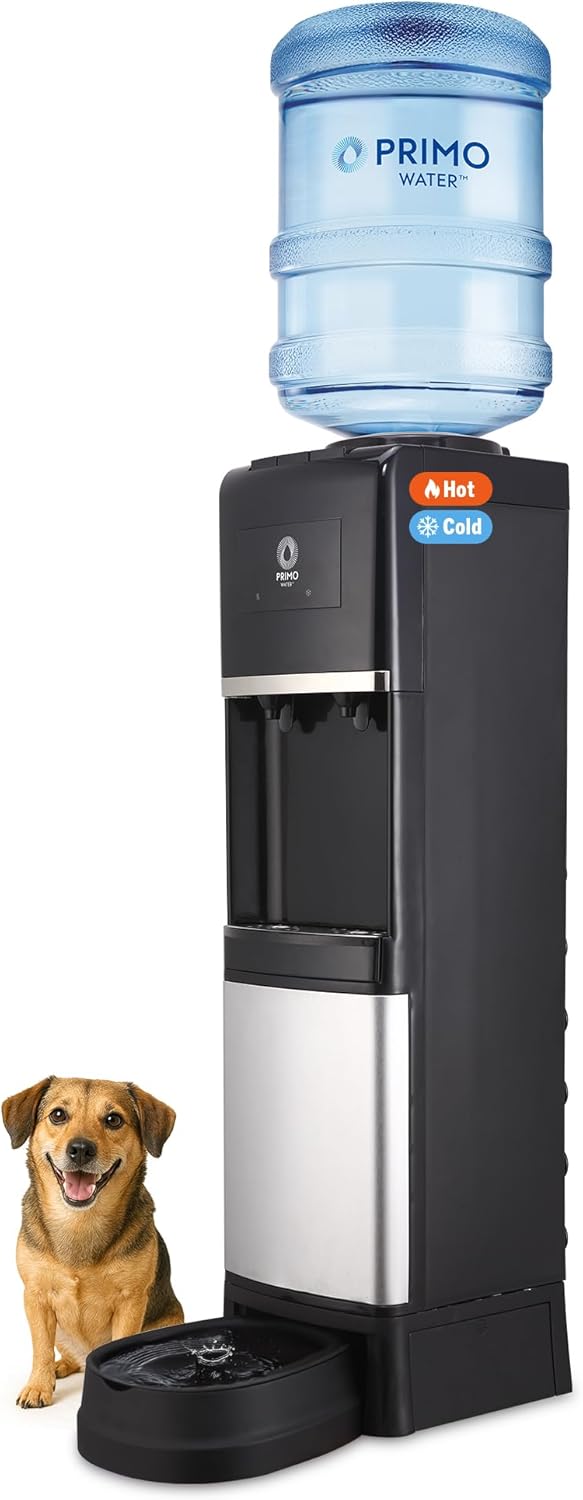
- Consider who else in the household needs water. If you have pets, some dispensers include an attachable pet station that draws from the same bottle — a useful feature that removes the need for a separate pet water bowl.
Some Specialty Pieces of Top Load Water Dispensers Worth Knowing
Not every dispenser is built the same, and a few design details can make a bigger impact on daily use than the spec sheet suggests.
- Non-spill bottle caps: Some top-load models include a non-spill probe or cap system that lets you load the bottle without the usual water splash. Especially helpful if you’re loading heavy 5-gallon jugs alone.
- High dispense point: A higher spout position makes it easier to fill tall water bottles or large mugs without tilting them awkwardly. If you regularly fill 32 oz bottles, check the dispense height before buying.
- Removable drip tray: Standard on most models, but size and depth vary. A deeper tray catches more overflow and needs less frequent emptying — a small detail that matters if the dispenser sits in a carpeted area.
- Indicator lights: Visual signals for heating and cooling status let you know when water has reached the right temperature. Useful in the morning rush when you don’t want to guess if hot water is ready.
- UL certification: Confirms the unit has passed independent electrical safety testing. Worth verifying on any dispenser you plan to run continuously at home.
Things to Consider Before You Buy
Beyond features and specs, a few practical realities are worth thinking through before you commit to a model.
- Bottle delivery service availability: Top load dispensers rely on 3 or 5-gallon refillable or exchange bottles. Make sure a delivery or exchange service is available in your area, or that you can transport bottles yourself.
- Bottle loading weight: A full 5-gallon bottle weighs roughly 42 lbs. If lifting that overhead is a physical challenge, look for dispensers with a bottom-load alternative or consider a countertop model using smaller bottles.
- Noise level during cooling: Compressor-based cold dispensers produce a low hum during operation. Most are quiet enough for kitchens and offices, but worth considering if placed near a bedroom or nursery.
- Cleaning and maintenance: Internal tanks and spouts need periodic sanitizing to prevent buildup. Check whether the model has accessible components and whether the manufacturer provides cleaning guidance.
- Warranty coverage: Entry-level dispensers often come with a 1-year limited warranty. If you’re buying for long-term daily use, check what’s covered and whether the brand has responsive customer support.
Why You Should Trust Us
We are not lab technicians or certified appliance engineers. What we do is research real user feedback, compare published specs, and cross-reference product details across multiple sources so you don’t have to dig through hundreds of reviews yourself.
Every model in this list was selected based on verified customer ratings, review volume, and consistency of feedback. We look for patterns in what actual buyers report after weeks or months of use — not just first-impression reactions. We have no preferred brand and earn no incentive to push one model over another.
FAQs
How often should I clean my top load water dispenser?
Most manufacturers recommend a full cleaning every 3 to 6 months. If you notice any taste or odor change in the water, clean it sooner. Wipe down spouts and the drip tray weekly.
Can I use any brand of 5-gallon bottle with these dispensers?
Yes, in most cases. Top load dispensers are designed around a standard 5-gallon bottle neck size, so brand compatibility is generally not an issue. Some models also accept 3-gallon bottles.
Is the hot water hot enough to make tea or instant noodles?
Most dispensers reach between 185°F and 205°F (85°C–96°C), which is sufficient for brewing tea, instant coffee, or instant noodles. For applications that require a full boil at 212°F, a kettle is more appropriate.
Do top load dispensers use a lot of electricity?
Average consumption ranges from 80 to 500 watts depending on whether heating or cooling is active. Units with energy-saving switches that let you turn off the hot or cold function when not needed can reduce consumption noticeably.
What is the difference between a top load and bottom load water dispenser?
A top load dispenser requires lifting the bottle above the machine and placing it neck-down into the probe. A bottom load model stores the bottle in a base cabinet and uses a pump to draw water up. Top load units are simpler and less expensive; bottom load models are easier to refill but cost more.
Are these dispensers safe to leave on overnight?
Yes, they are designed for continuous operation. If you want to reduce energy use, turning off the heating element overnight is a reasonable habit — especially on units with separate hot/cold switches.