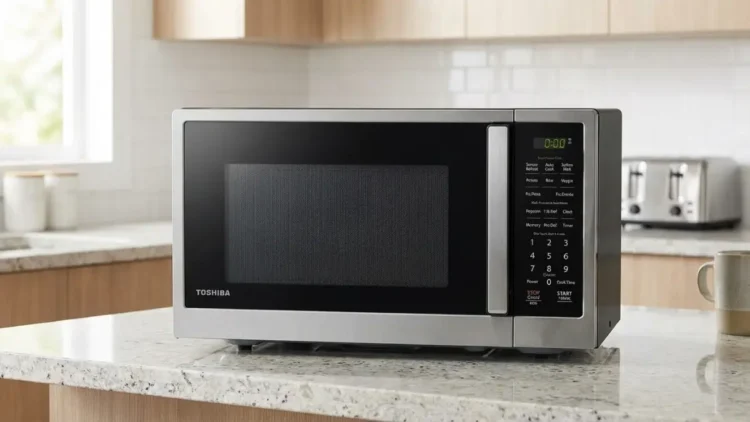

Discover the best microwaves with sensor cooking that automatically adjust time and power for more even heating, easier meal prep, and better everyday convenience.
Our Top 6 Picks
Buying Guide for Best Microwave With Sensor Cooking
What to Look For Before Buying
Start by assessing your kitchen space and cooking needs. Measure the available countertop or shelf area, as microwaves with sensor cooking often range from compact 0.7 cubic feet to larger 2.2 cubic feet capacities. Consider how often you use the microwave for reheating, defrosting, or cooking full meals, since sensor models adjust power based on steam detection to prevent overcooking. Check your outlet voltage, typically 120V standard, and ensure the unit fits under cabinets if wall-mounted options appeal.
Evaluate your household size and menu preferences. For singles or small families, prioritize models with quick sensor settings for popcorn or beverages. Larger families benefit from spacious interiors that handle family-sized plates. Review the control panel layout, favoring intuitive buttons or touchscreens over complex dials, and confirm the door opens smoothly without obstructing counters. Finally, verify the warranty length, often one to five years, covering magnetron and parts.
Key Features That Matter Most
Focus on sensor cooking technology first, which uses humidity sensors to detect steam and automatically stop or adjust cooking time for even results in modes like auto-defrost or vegetable steaming. Look for multiple sensor presets tailored to common foods, such as potatoes, pizza, or rice, reducing guesswork. Inverter technology pairs well with sensors for consistent power delivery, avoiding hot and cold spots better than traditional on-off cycles.
Seek child lock features and express cook buttons for one-touch starts. Interior lighting and a windowed door help monitor progress without opening. Turntable size impacts what fits, so match it to your largest dishes. Steam clean or deodorizer functions simplify maintenance, while keep-warm settings hold food at safe temperatures post-cooking. Prioritize quiet operation if your kitchen opens to living areas.
Other Buying Considerations
Factor in power output, typically 700 to 1200 watts, where higher wattage speeds cooking but draws more energy. Energy Star ratings indicate efficiency, useful for frequent use. Stainless steel exteriors resist fingerprints better than plastic, though they show smudges. Check for auto shut-off after inactivity to save power and enhance safety.
Noise levels vary, so read user feedback on fan and alert sounds. Availability of replacement parts like filters or trays affects longevity. If you cook greasy foods, opt for models with removable, dishwasher-safe trays. Compare vent options: recirculation suits island setups, while external venting clears odors effectively in range hood proximity. Balance these with your budget to avoid overpaying for unused features.
Setup and Placement Notes
We look at how these sensor-equipped microwaves handle installation and kitchen positioning based on their designs.
- Countertop models: Sit directly on counters with standard plug-in setup.
- Built-in options: Require cabinet cutouts and professional wiring for flush installation.
- Ventilation needs: Over-the-range units need ducting or recirculation kits above stoves.
- Footprint variety: Compact sizes fit small counters while larger ones match standard 30-inch spaces.
- Leveling adjustments: Feet on base models allow stable placement on uneven surfaces.
Match the microwave type to your kitchen layout to avoid rework later.
Who This Is Best For
Sensor cooking shines in specific routines, so these picks align with users who value that feature.
- Reheat-focused cooks: Automatically adjust time for leftovers and plates.
- Batch meal preppers: Handle variable loads like steamed vegetables without timing tweaks.
- Small family households: Compact models suit daily use in limited spaces.
- Kitchen remodelers: Built-ins integrate into cabinetry for a clean look.
Consider your cooking habits to pick one that matches without excess features.
Final Thoughts
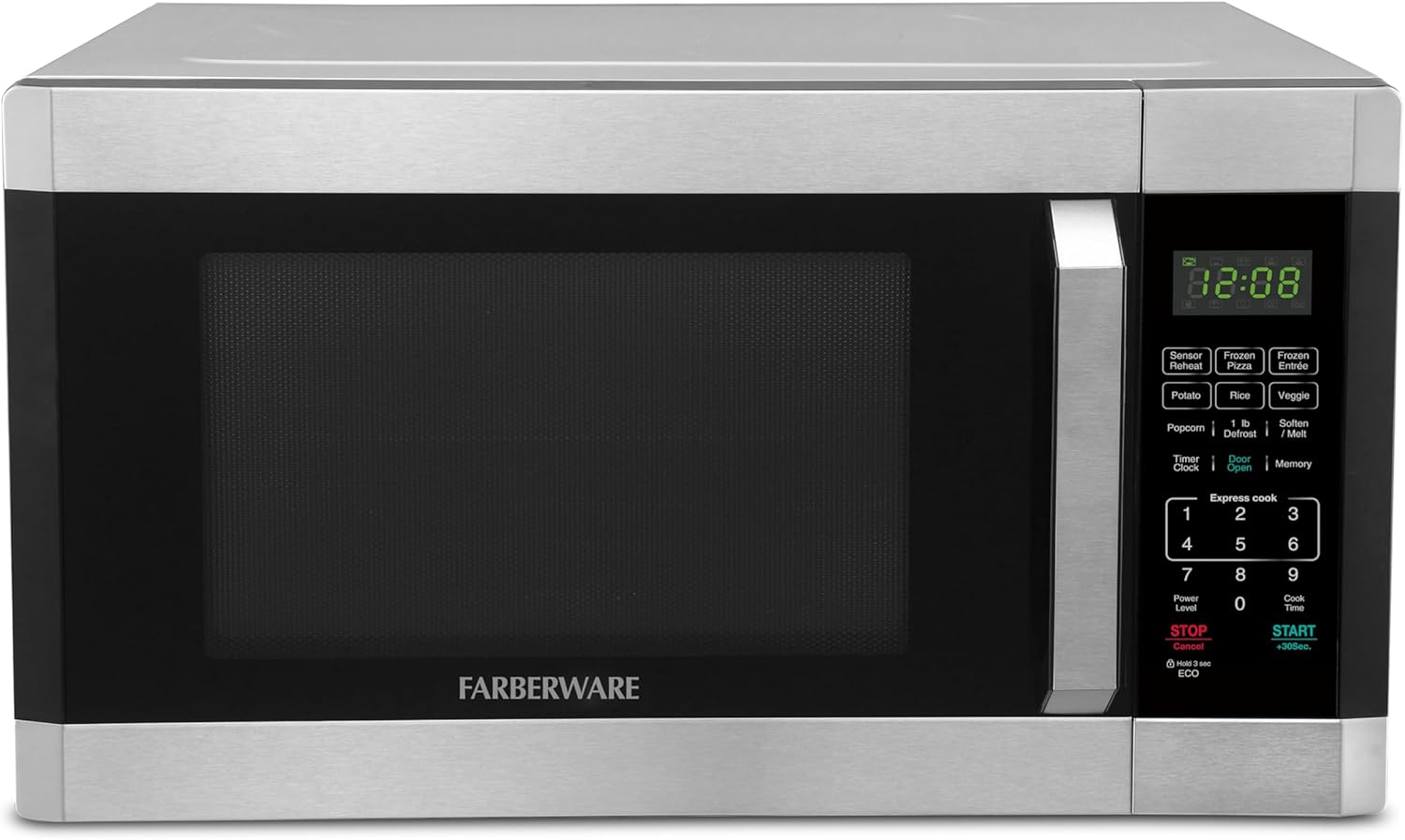
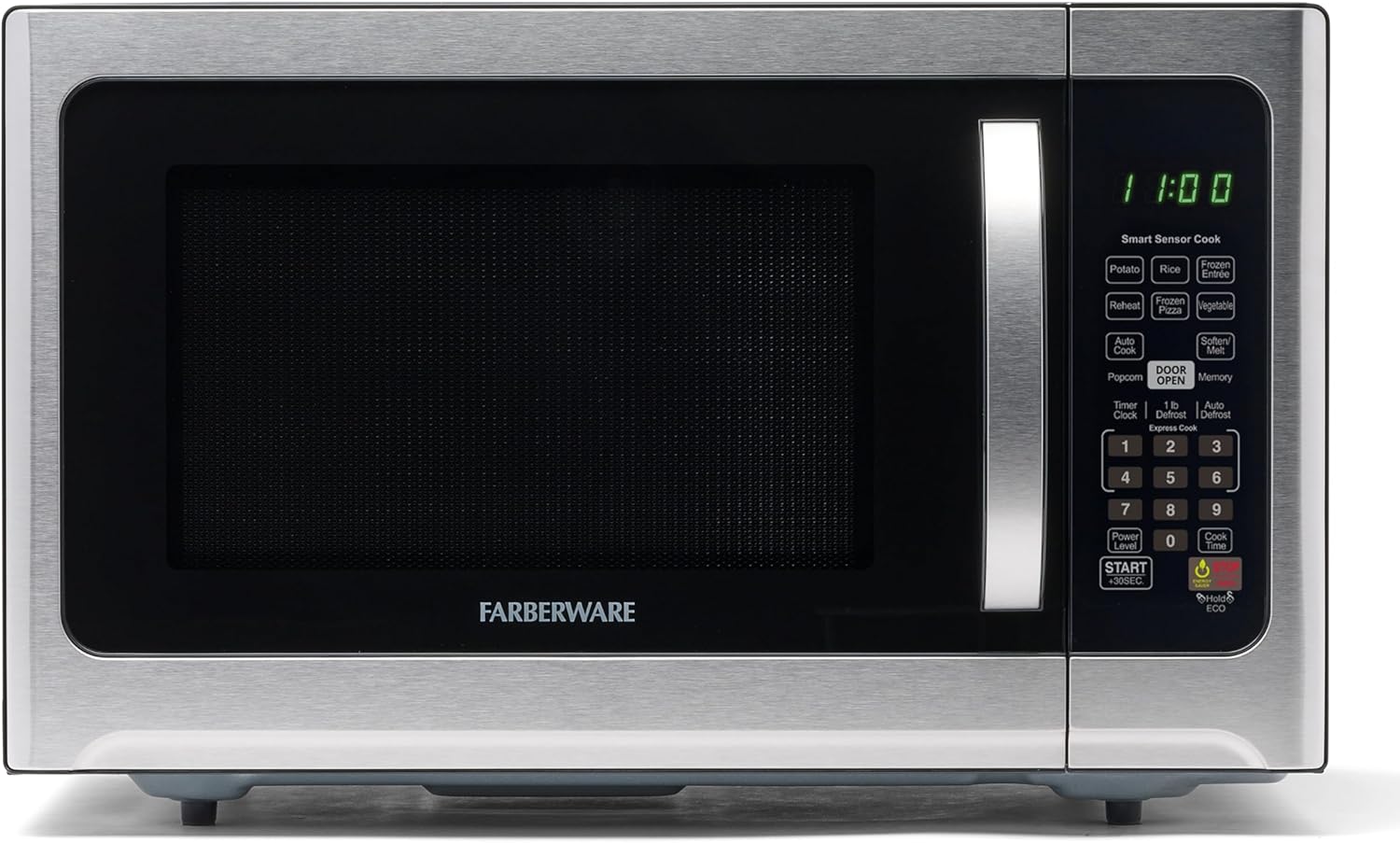
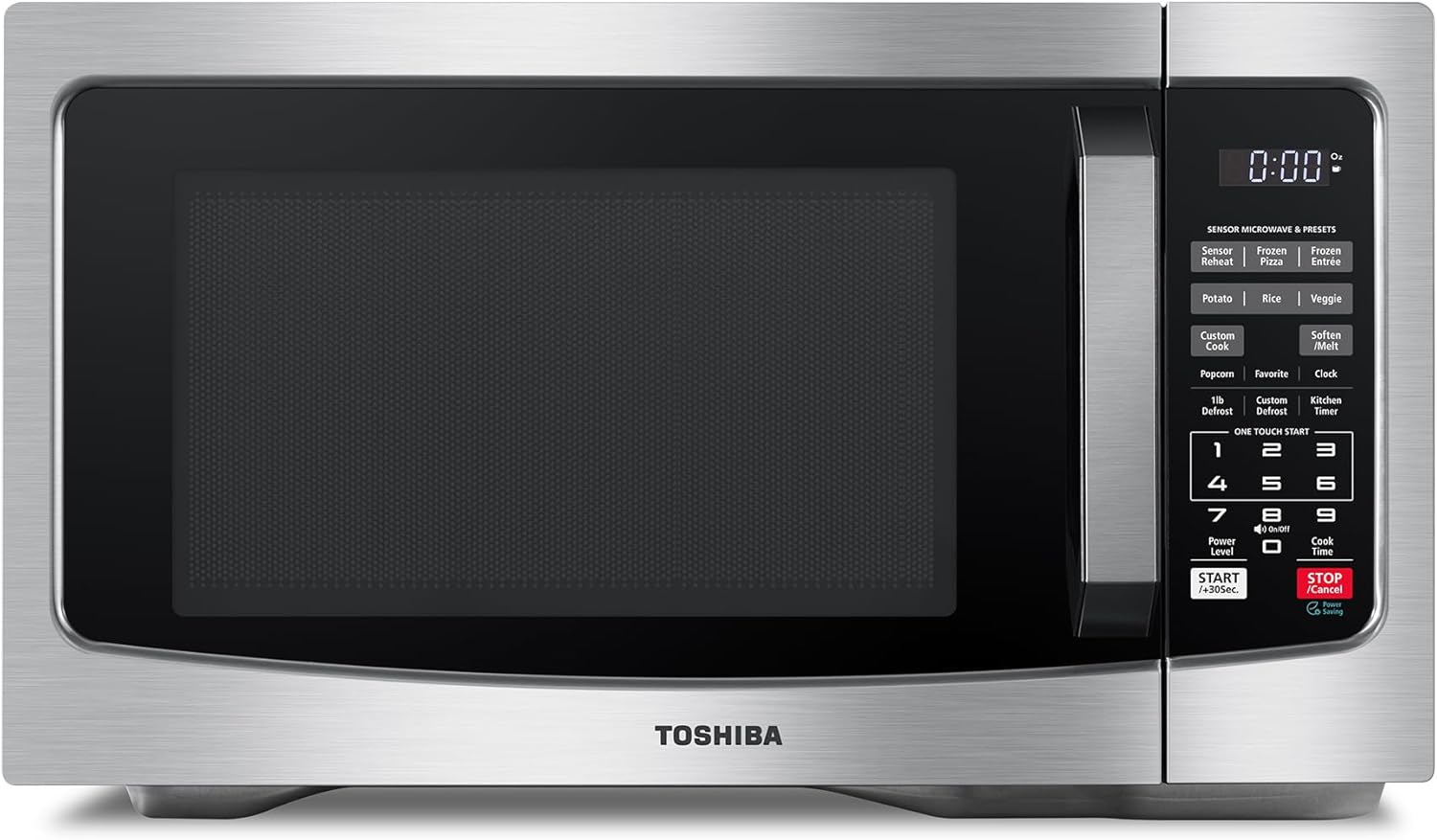
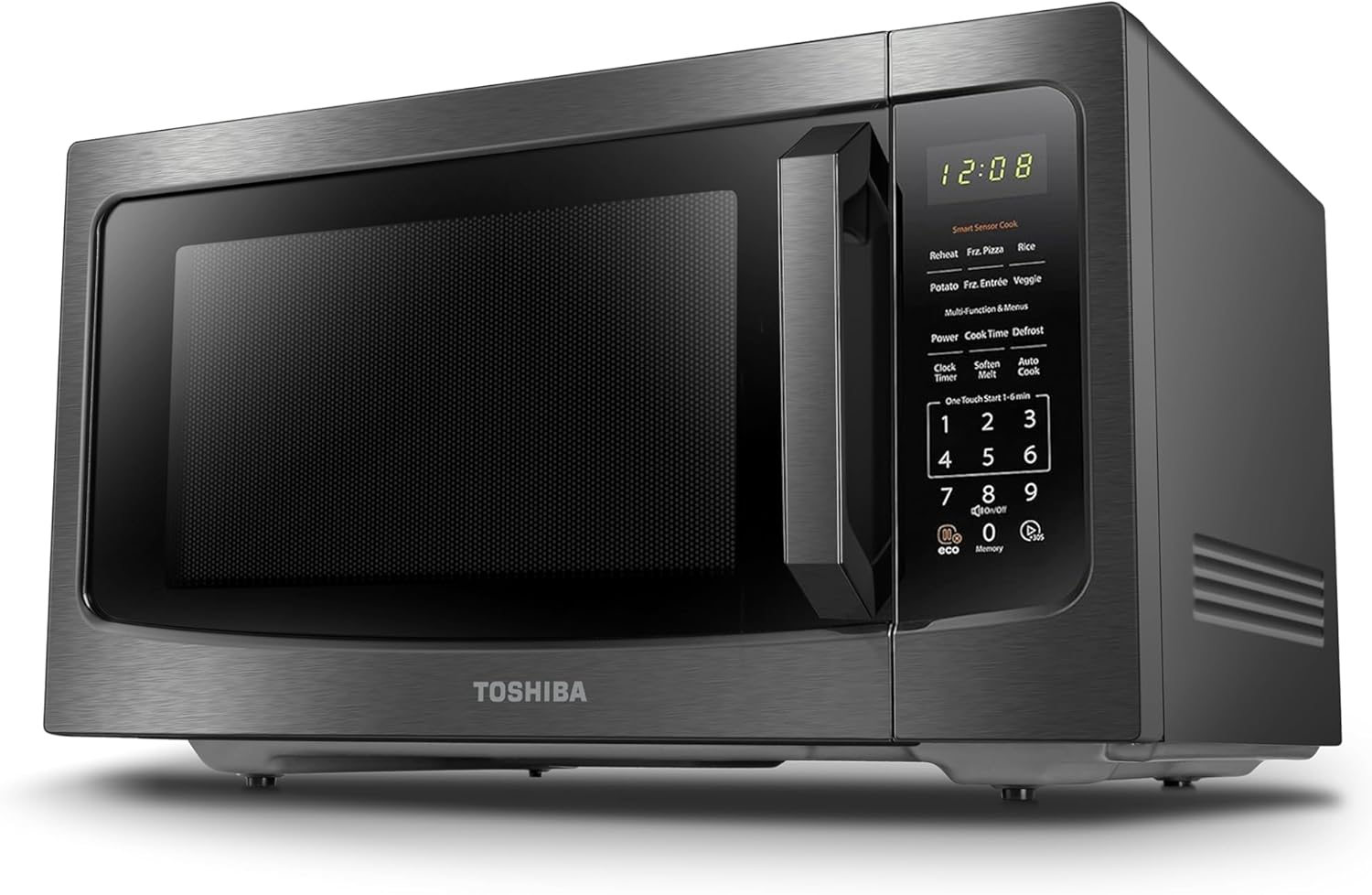
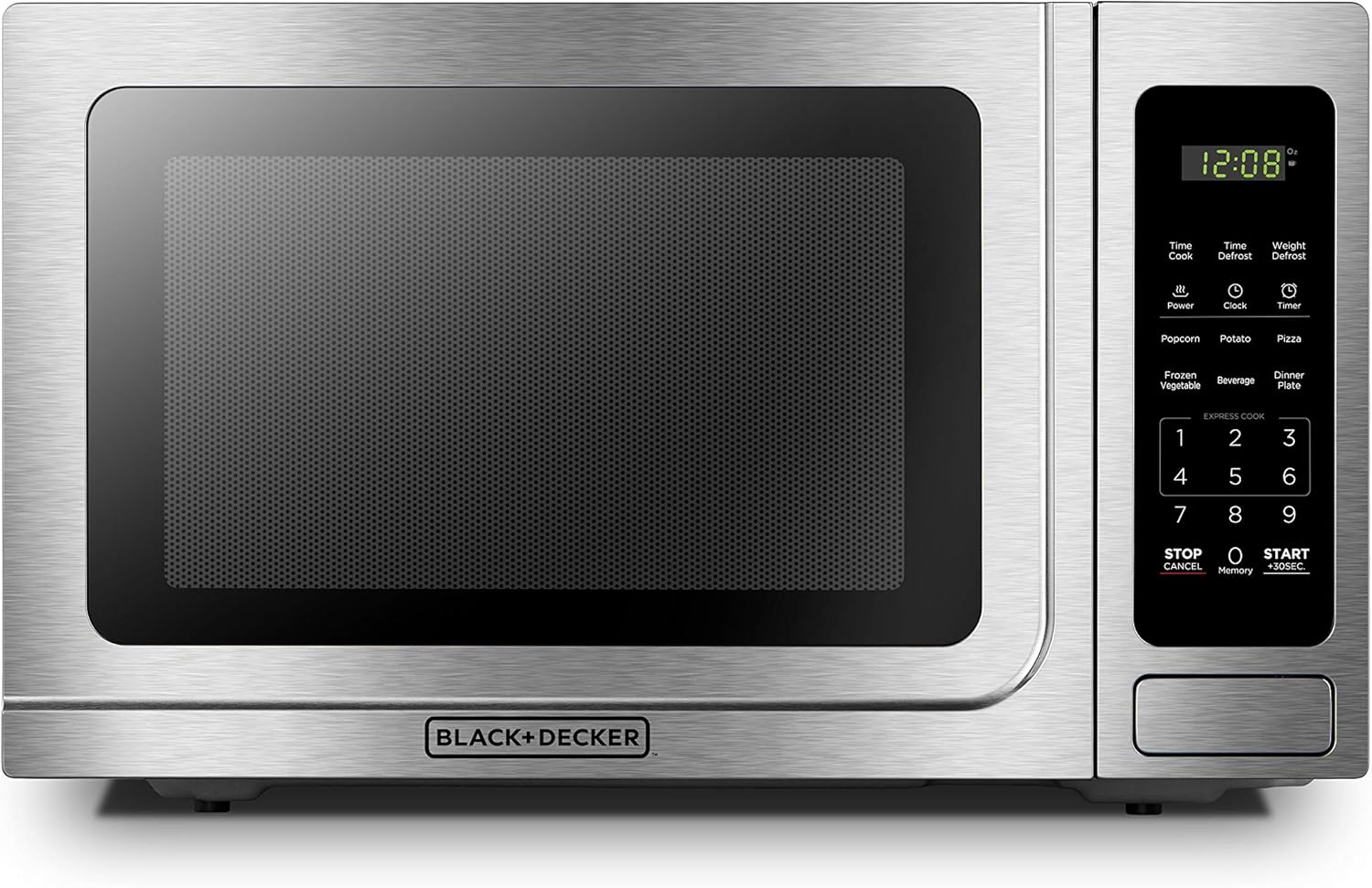
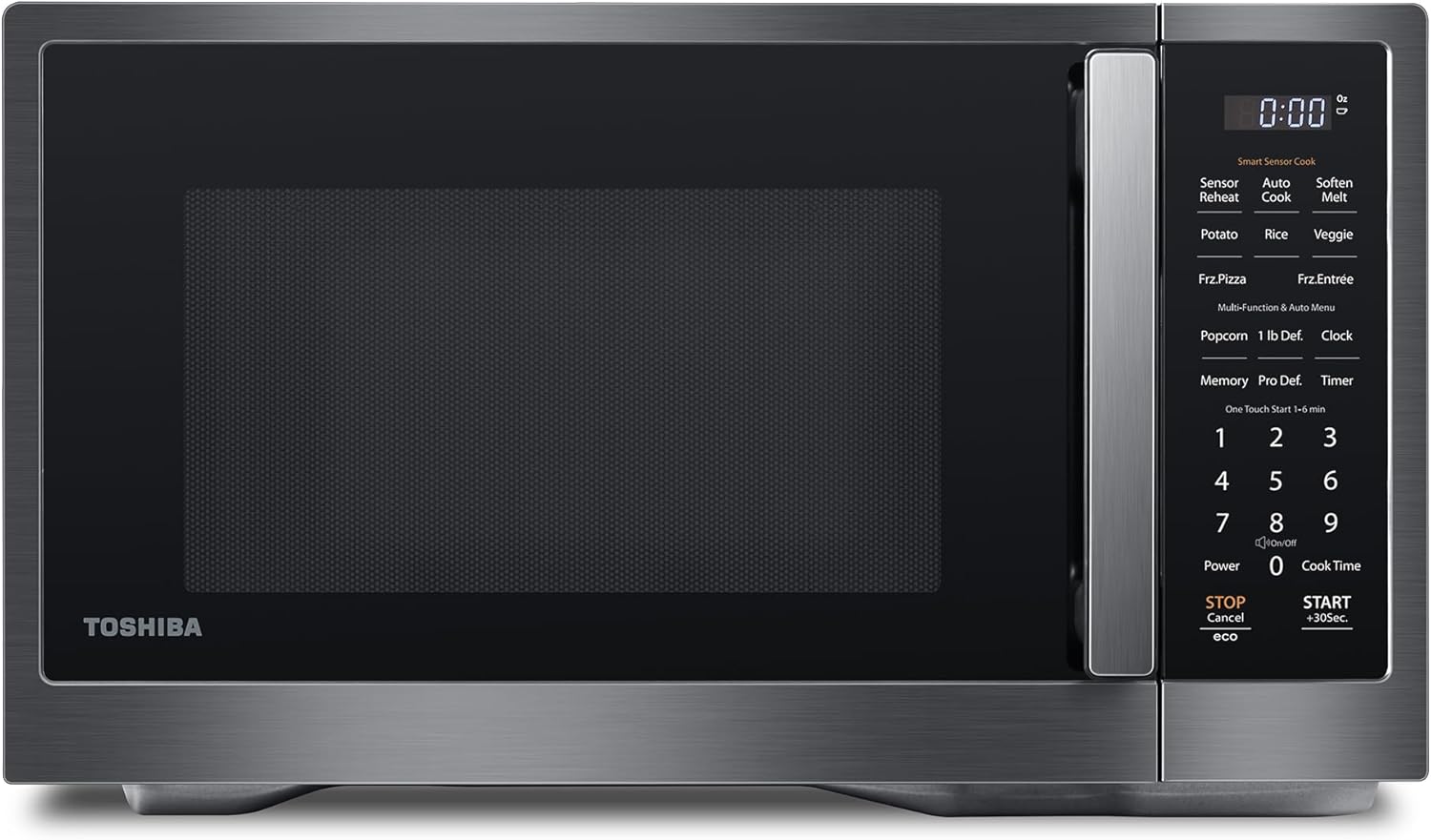
Choose the Farberware 1.6 Cu. Ft. model if you prioritize top-rated performance with 1100 watts and smart sensor cooking, or opt for the 1.2 Cu. Ft. Farberware as our editor pick for similar features in a more compact size. Toshiba models suit those needing larger turntables or mute functions, while the Black+Decker fits basic digital needs with a push-button door. Compare capacities and wattage against your counter space to select the best match, then explore more kitchen appliances.
Frequently Asked Questions
What is sensor cooking in a microwave?
Sensor cooking uses built-in humidity sensors to detect steam from food and automatically adjusts cooking time and power. This prevents overcooking or undercooking by stopping the cycle precisely when the food is ready. We find it especially useful for vegetables, rice, and frozen meals where timing varies.
How does sensor cooking compare to manual timers?
Sensor cooking eliminates guesswork by monitoring moisture levels, unlike manual timers that require preset times based on estimates. It reduces the risk of dry or soggy results and saves you from checking midway. You'll notice more consistent outcomes across batches with less intervention.
Can sensor cooking handle large portions?
Most models with sensor cooking accommodate family-sized portions up to the microwave's capacity, adjusting power dynamically. It works well for casseroles or meats but performs best with foods that release steam. Check your model's sensor presets for portion guidelines to match your needs.
Does sensor cooking work well for defrosting?
Yes, many sensor-equipped microwaves include defrost modes that use the technology to monitor thawing progress without cooking the edges. This ensures even results for meats and poultry. It's faster and safer than standard defrost settings that might require flipping.
What foods work best with sensor cooking?
Sensor cooking excels with steamed vegetables, popcorn, potatoes, and reheated leftovers that emit detectable steam. Avoid dry items like toast or pizza, as they don't trigger the sensor effectively. We recommend experimenting with presets to find optimal use for your favorites.
Is sensor cooking energy-efficient?
It promotes efficiency by shutting off automatically once food is done, avoiding excess runtime compared to fixed timers. Power usage aligns with the cycle length, often shorter for precise cooking. You'll save energy over time with frequent use on variable foods.