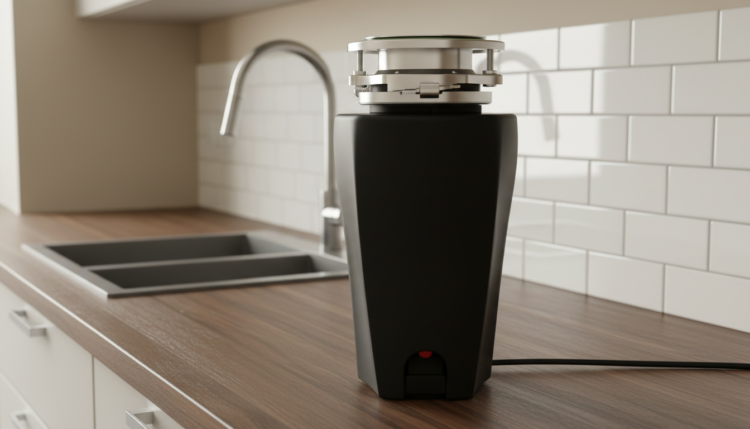

Discover the best compact garbage disposal for small kitchen sink with our comparison of top models. We highlight compact designs that fit tight spaces and handle everyday food waste based on features and user feedback.
Our Top 6 Picks


How to Choose the Right Compact Garbage Disposal For a Small Kitchen Sink
Small kitchen sinks come with real constraints — limited cabinet depth, tight drain configurations, and less room to maneuver during installation. Picking a compact disposal that actually fits and performs well in that environment means paying attention to a few specific factors before you order.
- Dimensions first, specs second. A disposal can check every box on horsepower and warranty and still not fit under your sink. Check the unit’s height and diameter against your under-sink cabinet clearance, and note where your P-trap and shut-off valves sit. A few inches of height difference between models is enough to create a problem in a tight cabinet.
- 1/3 HP vs. 1/2 HP for small sink use. For one or two people cooking occasionally, 1/3 HP handles soft food scraps without issue. If your household cooks regularly or deals with more varied food waste — vegetable prep, small fruit scraps, cooked leftovers — a 1/2 HP motor is a more practical choice and handles load spikes without straining.
- Mounting system compatibility. If you are replacing an existing disposal, check whether your sink already has a mounting flange installed. Models that use the same mount type as your current unit — EZ Mount or standard 3-bolt — allow a faster swap without resealing the drain opening. Switching mount types adds time and plumber’s putty to the job.
- Pre-installed power cord vs. hardwired. For small kitchens in apartments or older homes, a pre-installed power cord is the simpler option if an outlet exists under the sink. Hardwired setups are more permanent but require electrical access. Confirm what your current disposal uses before ordering a replacement.
- Noise and sound insulation. In small kitchens — especially in apartments or open-plan layouts — disposal noise is a practical concern, not just a comfort preference. Look for models that use balanced motor components to reduce vibration at the source, or units that include sound insulation foam around the grinding chamber. Not all compact disposals address noise equally, and this is worth checking in the specs before buying rather than after.
- Warranty length relative to price. Compact and economy disposals vary widely in warranty coverage — from 1 year to 6 years depending on the brand and series. For a unit that runs daily, warranty length is worth factoring into the value comparison, not just the sticker price.
- Septic compatibility if applicable. If your home uses a septic system, confirm the disposal is rated septic-safe before buying. Not all compact models carry this rating, and adding an incompatible unit can affect your tank’s bacteria balance over time.
Things to Consider Before You Buy
A few practical points outside the product listing itself can affect whether a compact disposal works well in your specific kitchen setup.
- Sink material and vibration. Stainless steel sinks amplify disposal vibration and noise more than cast iron or composite sinks. If your small kitchen has a stainless sink and noise is a concern, an anti-vibration mounting pad — usually sold separately — can reduce the amount of sound that transfers through the sink basin into the room.
- Drain line angle and length. Compact disposals in small kitchens sometimes connect to drain lines that run at tighter angles due to cabinet constraints. Confirm the drain outlet on the disposal body aligns reasonably with your existing drain line before installation. A significant angle mismatch requires an elbow fitting that adds to setup time.
- Food types you actually process. Compact disposals are designed for everyday household scraps, not high-volume or tough waste. Fibrous vegetables, starchy foods like pasta and potato peels, and coffee grounds in large quantities are hard on any compact unit. Knowing your typical waste ahead of time helps set realistic expectations for the model you choose.
- Installation tools on hand. Most compact disposals include a mounting wrench and basic hardware. You will also need plumber’s putty, a bucket, and a towel for disconnecting the existing drain. Having these ready before you start avoids a mid-installation hardware run.
- Noise in apartment settings. In multi-unit buildings, disposal noise can carry through plumbing into neighboring units. Check your lease terms before installing, and if noise is a concern, look for models that specifically mention sound insulation or quieter motor designs rather than buying on HP alone.
Why You Should Trust Us
We are not plumbers, appliance engineers, or certified product testers. Our process involves reviewing published specifications, cross-referencing product details for accuracy, and identifying consistent patterns in verified buyer feedback across thousands of reviews — with particular attention to feedback from users in small kitchen setups similar to the ones these models are designed for.
Every product in this list was included based on review volume, rating consistency, and how clearly its specs match the practical requirements of small sink installations. We do not have a preferred brand and are not compensated to rank any model above another. The goal is to save you time so you can make a confident decision without sorting through hundreds of individual opinions.
Final Thoughts on Compact Garbage Disposals For Small Sinks
The right compact disposal for a small kitchen sink is not necessarily the most powerful or the most feature-rich one on the list. It is the one that fits your cabinet, matches your plumbing setup, and handles the volume and type of food waste your household actually produces on a daily basis.
For most households, the decision comes down to two things: how much you cook, and how long you want the unit to last. If you cook regularly and want a proven name behind the product, the InSinkErator Badger 5 remains the most field-tested option on this list — its track record across hundreds of thousands of installs is hard to argue with. If budget is the priority and you cook lighter, the Waste King L-111 is a well-engineered entry-level unit that genuinely over-delivers for its price. For buyers who want the longest warranty coverage available in this category, the Waste Maid 058 stands out with 6 years plus lifetime corrosion protection — something no other model here matches.
Where you spend more, you get more support. Both Moen models back their units with a 5-year in-home warranty, which is meaningfully better than the 2-year coverage standard at this price range. The Prep Series GXP50C makes sense if your household cooks regularly; the Lite Series GXP33C is the right call if your kitchen sees light, occasional use and you want that Moen warranty coverage at a lower entry price.
Ultimately, none of these models is a bad choice when matched correctly to the right kitchen and the right household. The mistakes happen when buyers chase horsepower numbers on paper without checking cabinet dimensions, or pick the cheapest unit without factoring in what warranty support actually costs when something goes wrong two years in. Get the fit right first, and any of these disposals will serve you well.
FAQs
What size garbage disposal fits best in a small kitchen sink?
For small kitchen sinks, disposals in the 1/3 to 1/2 HP range with a diameter under 6.5 inches and height under 13 inches are generally the safest fit. Measure your under-sink cabinet height and note the position of your drain line and shut-off valves before selecting a model — dimensions vary enough between units that checking first saves a return trip.
Can a compact garbage disposal handle the same food types as a full-size unit?
For everyday scraps — soft vegetables, fruit peels, small amounts of cooked food — yes. Compact disposals are not designed for large volumes of dense or fibrous waste in a single session. Processing waste in smaller, more frequent amounts rather than pushing in large loads at once is the standard recommendation for extending the lifespan of any compact unit.
How difficult is it to install a compact garbage disposal in a small sink?
For a direct replacement using the same mount type, installation is manageable as a DIY project for most homeowners. It typically takes 30–60 minutes with basic tools. If you are installing where no disposal existed before, or if your drain configuration requires new plumbing connections, a plumber may be needed depending on your comfort level with the work involved.
Is a 1/3 HP disposal powerful enough for daily use?
For light to moderate daily use in a one or two-person household, yes. A 1/3 HP disposal handles rinsed plates, soft food scraps, and small amounts of vegetable waste without issue. It is not suited for large volumes processed at once or tougher waste like fibrous vegetables or cooked meat in quantity. If your cooking habits fall outside light use, a 1/2 HP model is a more practical long-term choice.
How long do compact garbage disposals last with regular use?
With regular use and basic maintenance, most compact disposals last between 8 and 12 years. Running cold water during and after each use, avoiding problematic food types, and cleaning the splash guard periodically are the main habits that push units toward the higher end of that range. Motor quality and grinding chamber material are the primary factors affecting longevity across models.
Do compact disposals work with septic systems?
Some do and some do not. Septic compatibility is not universal across compact models — it depends on the specific unit and how the manufacturer has rated it. If your home uses a septic system, look for explicit septic-safe labeling in the product specs and confirm with your septic service provider before installation.
What should I do if my disposal suddenly stops working?
The first thing to check is the manual reset button, located on the bottom of the disposal unit. Most compact disposals have a built-in thermal overload protector that shuts the motor off automatically if it overheats or gets jammed — pressing the reset button restores normal operation once the motor has cooled down. If the disposal hums but does not spin, there is likely a jam in the grinding chamber; most units include a hex wrench port at the bottom that lets you manually rotate the grinder to free the obstruction before pressing reset. If neither resolves the issue, check that the power connection is secure before calling for service.
What is the best way to reduce odors from a compact garbage disposal?
Run cold water for at least 30 seconds after grinding to flush waste completely through the drain line. Clean the underside of the splash guard regularly — it accumulates residue that is a common odor source. Grinding small citrus peels occasionally helps with smell. Avoid leaving food scraps sitting in the disposal chamber without running it, particularly in warm weather.