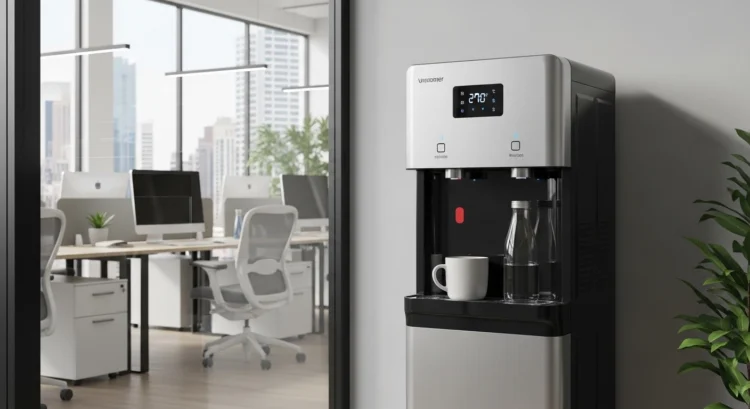

Discover the best bottleless water cooler for office use with our comparison of top models. We reviewed options designed for convenience in busy office environments, focusing on features like bottom loading and temperature controls.
Our Top 5 Picks


Buying Guide for Best Bottleless Water Coolers for Office
What to Look For Before Buying
Start by checking how many people will use the water cooler each day. A small office with a few employees has very different daily demand compared to a larger workplace with steady foot traffic. If the unit will serve a busy team, make sure its cooling and heating recovery speed can keep up during work hours without frequent delays.
Confirm what “bottleless” actually means before you buy. Some models in this category still rely on 3 or 5-gallon bottles, while true point-of-use systems connect directly to a water line. You should also measure the available floor space, check for a nearby standard electrical outlet, and make sure your office setup supports the type of cooler you plan to install.
Key Features That Matter Most
Focus on loading style, temperature options, and convenience features first. Bottom-load designs are usually easier to manage in shared office spaces because they avoid lifting heavy bottles overhead, while hot and cold dispensers cover the needs of most teams for drinking water, coffee, and tea. Tri-temp models add room-temperature water for workplaces that want more flexibility.
Cleaning and safety features also matter more in offices than they do at home. UV self-cleaning systems, removable drip trays, and bottle alerts can reduce day-to-day maintenance, while child-safety locks on hot taps add protection in offices with visitors or open-access break rooms. Certifications like Energy Star and NSF can also help narrow down more dependable options.
Other Buying Considerations
Think beyond the cooler itself and consider the long-term setup. If the model depends on refillable bottles, confirm that bottle delivery or exchange service is easy to manage in your area. You should also decide who in the office will handle bottle swaps, routine cleaning, and general upkeep, since shared-use equipment tends to get neglected without clear responsibility.
Noise level, warranty support, and cleaning intervals are worth checking before purchase too. Compressor-based coolers can produce a steady hum that may be noticeable in open-plan offices or near desks. A stronger warranty and easier service access matter more in work environments, where even a short equipment failure can disrupt daily routines.
What Separates These Options
These office water coolers differ mainly in how they handle shared daily use, maintenance, and convenience, helping you match the right setup to your workplace.
- Water source type: Some models are true point-of-use systems that connect to a water line, while others still use refillable bottles despite similar marketing language.
- Loading style: Bottom-load units are easier to refill in shared offices, while top-load models are usually simpler and slightly less expensive.
- Temperature options: Standard hot-and-cold setups fit most workplaces, while tri-temp dispensers add room-temperature water for broader employee preference.
- Cleaning features: UV self-cleaning systems, removable drip trays, and bottle alerts can reduce maintenance in high-traffic office settings.
- Office safety and usability: Hot water locks, enclosed bottle cabinets, and quieter operation matter more in shared spaces than in single-user environments.
Compare these differences against your office size, refill logistics, and maintenance expectations so you do not end up with a unit that is either too limited for daily demand or more complicated than your team actually needs.
Frequently Asked Questions
What does bottleless mean for an office water cooler?
In most cases, bottleless means the cooler connects directly to a water line instead of relying on replaceable water jugs. That said, some products are marketed loosely, so it is worth confirming whether the unit is truly point-of-use before buying.
Is a bottleless water cooler better than a bottled model for office use?
A bottleless model is often more convenient for offices because it reduces the need to store, lift, and replace heavy bottles. It can also make day-to-day use more consistent in busy workplaces, especially when multiple employees use the unit throughout the day.
What size office is best suited for a bottleless water cooler?
These coolers work well in both small and medium offices, but the best fit depends on daily usage rather than employee count alone. A workplace with frequent visitors or heavy break-room traffic should pay closer attention to recovery speed and maintenance requirements.
Do office bottleless water coolers require a lot of maintenance?
Most models need regular cleaning, occasional filter changes, and basic drip tray maintenance. Units with self-cleaning functions or easier-to-remove components can reduce the amount of hands-on upkeep needed in shared office environments.
Are hot and cold functions enough for most workplaces?
For many offices, hot and cold water covers the main needs, including drinking water, tea, and instant coffee. A tri-temp model can still be useful if your team also prefers room-temperature water during the day.
What should offices check before installation?
You should confirm that there is enough floor space, a nearby standard outlet, and access to the right water connection if the unit is truly bottleless. It also helps to think through who will handle setup, routine cleaning, and any ongoing service needs after installation.